A solar module spends twenty-five years outdoors being heated, cooled and rained on. Every adhesive decision on the line is really a decision about how it will behave in year eight, which is why tape selection here is less forgiving than almost anywhere else we supply.
Frame bonding and mounting
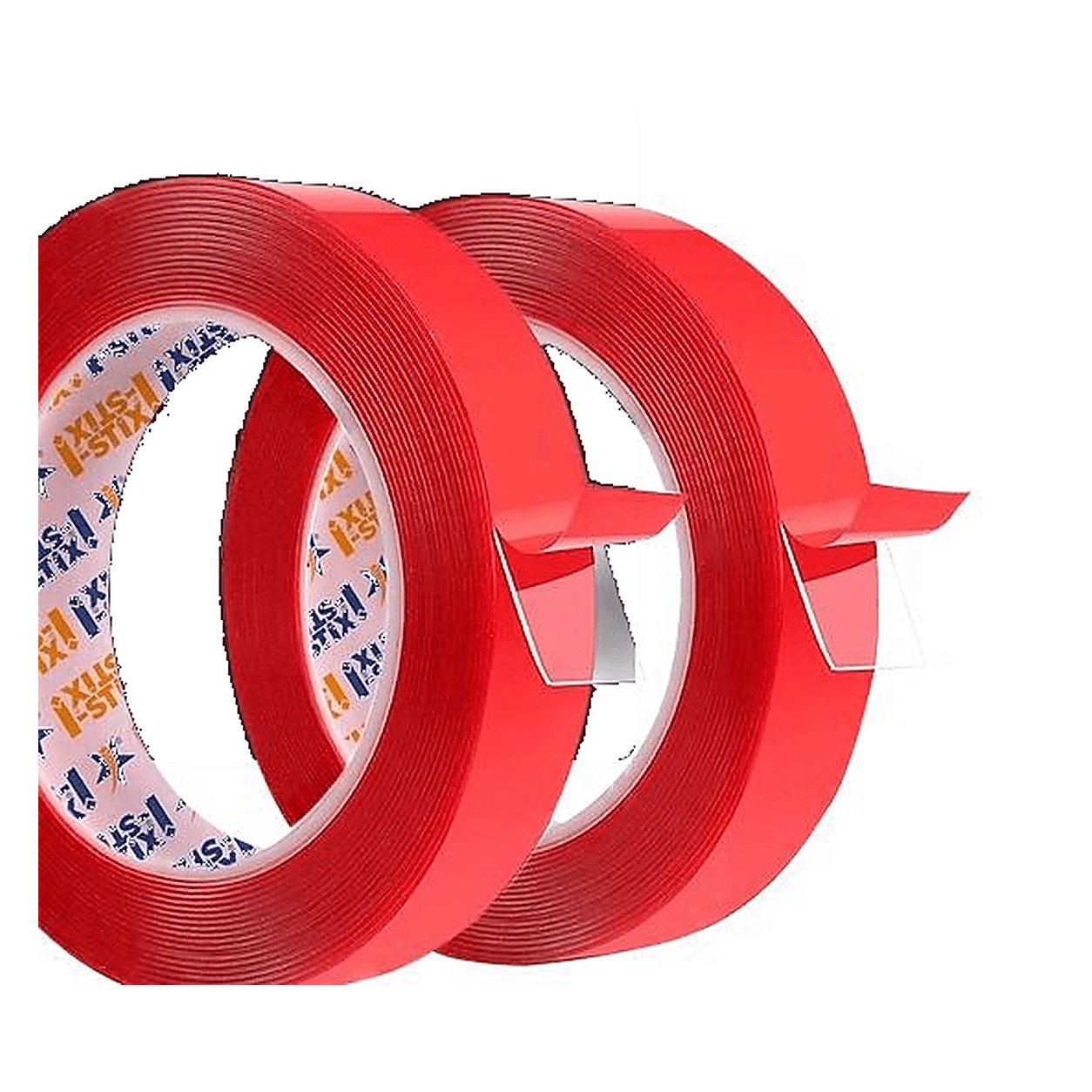
VHB tape does the structural work — bonding frames, mounting brackets and fixing rails without drilling. Its acrylic foam core is the point: it is viscoelastic, so it absorbs the differential expansion between an aluminium frame and whatever it is bonded to, instead of transmitting that stress into the joint the way a rigid fastener does.
Rated −30°C to +120°C, it comfortably covers rooftop service conditions. Two things decide whether it performs: surface preparation and dwell time. The surface must be clean and dry, and the bond needs 24 to 72 hours to reach full strength. Panels moved or loaded too early are the single most common cause of a VHB joint being blamed for a failure that was really a process problem.
Junction box sealing
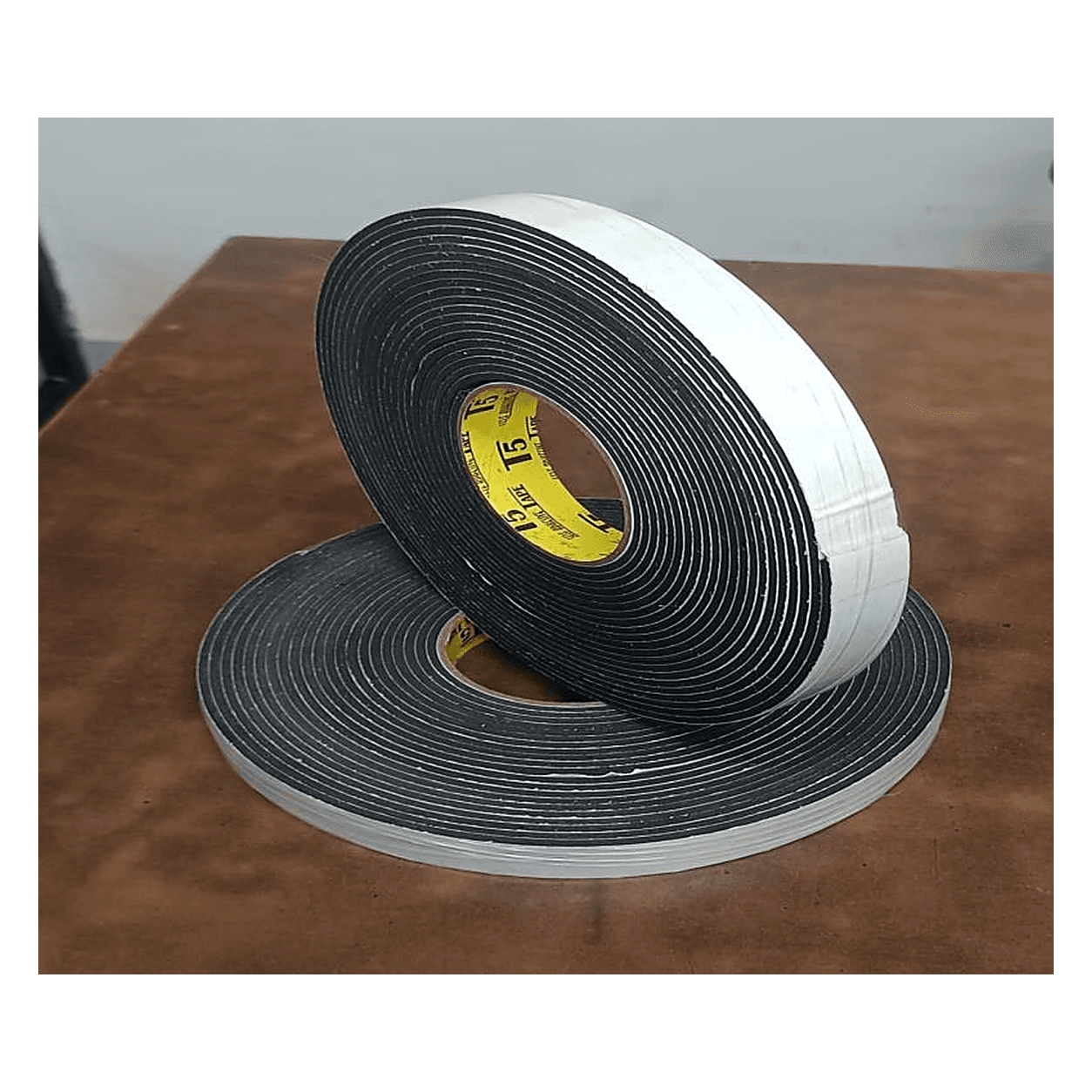
The junction box is where water gets in if it is going to. Single-side gasket foam tape provides the compressible seal around the box perimeter, taking up tolerance and staying compressed through thermal cycling. Where a weather-tight seal is needed at a seam rather than a gasket face, butyl tape is the usual answer — it stays permanently tacky and conforms rather than setting hard.
Electrical insulation
Polyimide tape handles anything near soldering or elevated temperature in the electrical path. Amber film, silicone adhesive, high dielectric strength, and it leaves no residue when removed. At 60 or 80 micron it adds almost nothing dimensionally, which is exactly what is wanted around busbars and terminals.
Thermal and reflective work
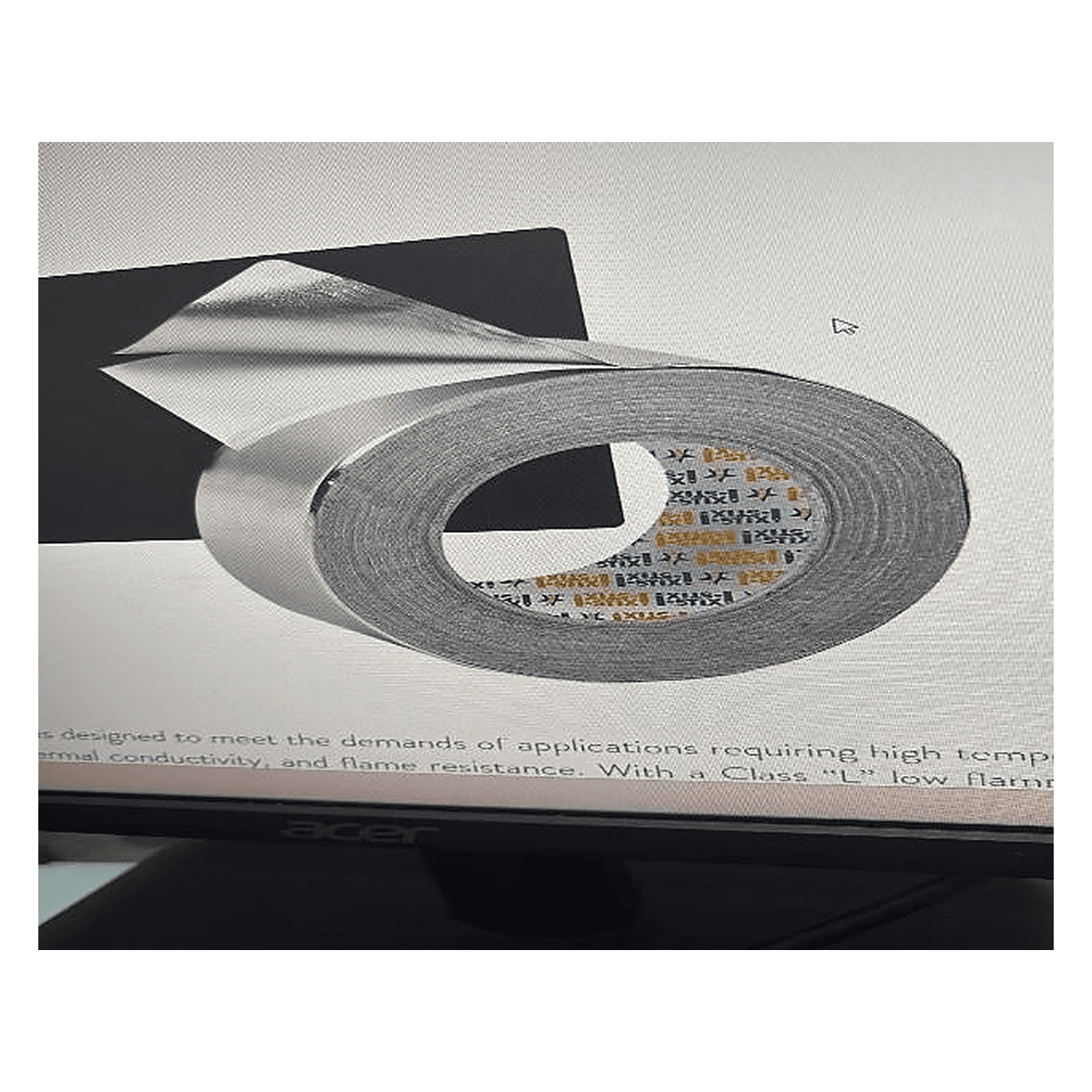
Aluminium foil tape does the heat-reflective and vapour-sealing jobs — sealing insulation seams, shielding, and anywhere a continuous metallic surface is needed. Rated to around +110°C, with excellent moisture resistance. For insulation that is faced with fibreglass rather than plain foil, FSG foil tape with its glasscloth scrim is the more sensible choice, because the scrim stops the foil tearing at the seam.
Failure modes worth designing out
- Bonding to a dusty or silicone-contaminated surface — no adhesive recovers from this
- Loading a VHB joint before it has dwelled; the bond is nowhere near full strength on day one
- Using a general-purpose foil tape on glasscloth-faced insulation, where it tears along the seam
- Choosing a tape on its room-temperature peel figure when the module will sit at 70°C on a roof
- Leaving a cut edge exposed to standing water rather than lapping the seam downhill
Specifying for a module line?
Send us the joint — materials, gap, service temperature and whether it carries load. We supply the automobile, HVAC, battery and solar lines from the same floor, so the grade that worked on a comparable joint is usually already known.
Ask on WhatsApp →