Most tape complaints are not really about the tape. They are about an adhesive chosen for the wrong surface, the wrong temperature or the wrong storage time. Almost everything we manufacture uses one of three adhesive families, and once you know how each behaves, choosing becomes a short conversation rather than a trial-and-error exercise.
Water-based acrylic
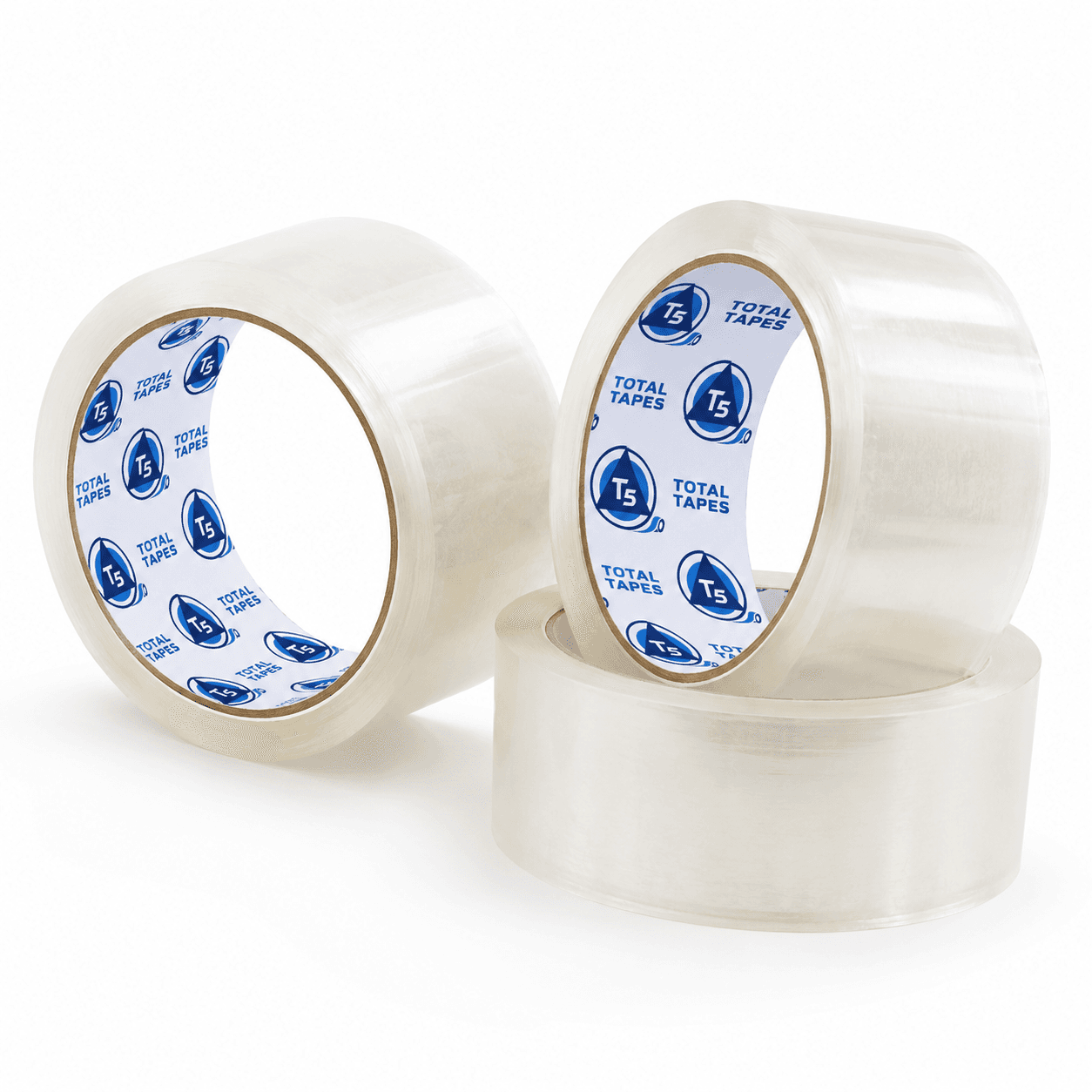
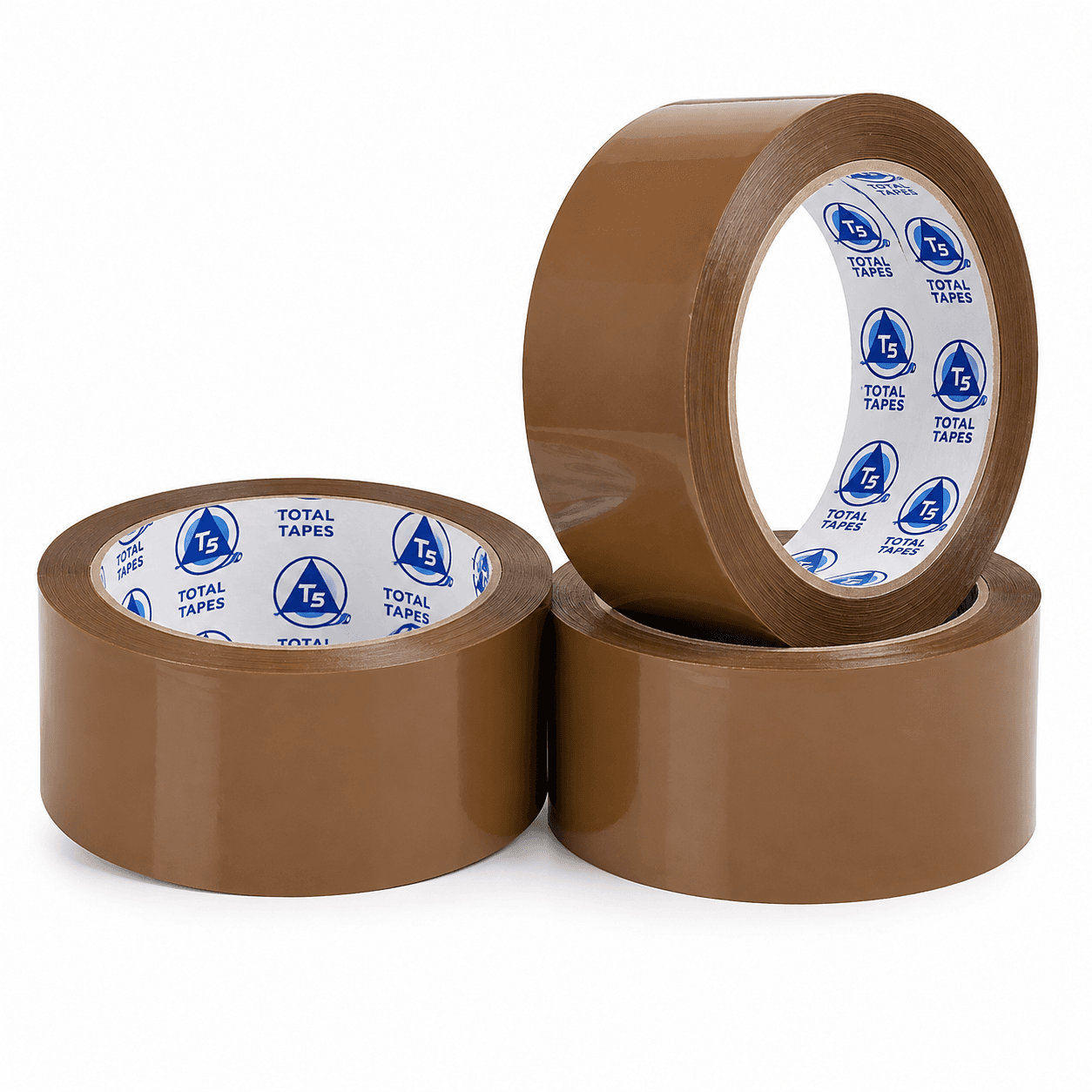
This is the workhorse behind our transparent and brown BOPP tapes. The adhesive is carried in water, dried onto the film, and what is left is an acrylic layer that is clear, resists yellowing and holds its grip for a long time in storage.
Its strength is stability. An acrylic tape sitting in a warehouse for ten months still behaves roughly like it did on day one, and it does not go gummy or amber in sunlight. Its weakness is initial tack. Acrylic grabs more slowly than the other two, so on a fast carton-sealing line, or on a cold or dusty surface, it can look like it is not sticking when in fact it just has not built bond yet. Give it a few hours and it usually has.
- Choose it for: general carton sealing, long storage, anything that will see daylight
- Avoid it for: cold rooms, very fast lines, heavily recycled or dusty board
- In our range: Transparent Tape (BOPP), Brown Tape (BOPP), Colour Tape
Hotmelt (synthetic rubber)
Hotmelt is applied molten and sets as it cools. The result is high initial tack — it grabs the moment it touches — and a thicker, more aggressive adhesive layer. This is what you want when the surface is rough, the board is recycled, or the line is running fast enough that the operator does not get to press the tape down properly.
The trade-off is heat and age. Hotmelt softens as temperature climbs and will creep under sustained load in a hot warehouse. It also has less patience with long storage than acrylic does. For a carton that gets sealed today and delivered next week, none of that matters. For a carton that sits in a yard through a Gujarat May, it might.
- Choose it for: recycled board, cold or dusty surfaces, high-speed sealing, bundling
- Avoid it for: sustained load at high temperature, long outdoor exposure
- In our range: Cross Filament Tape, DS Cross Filament Tape, Aluminium Foil Tape
Natural rubber
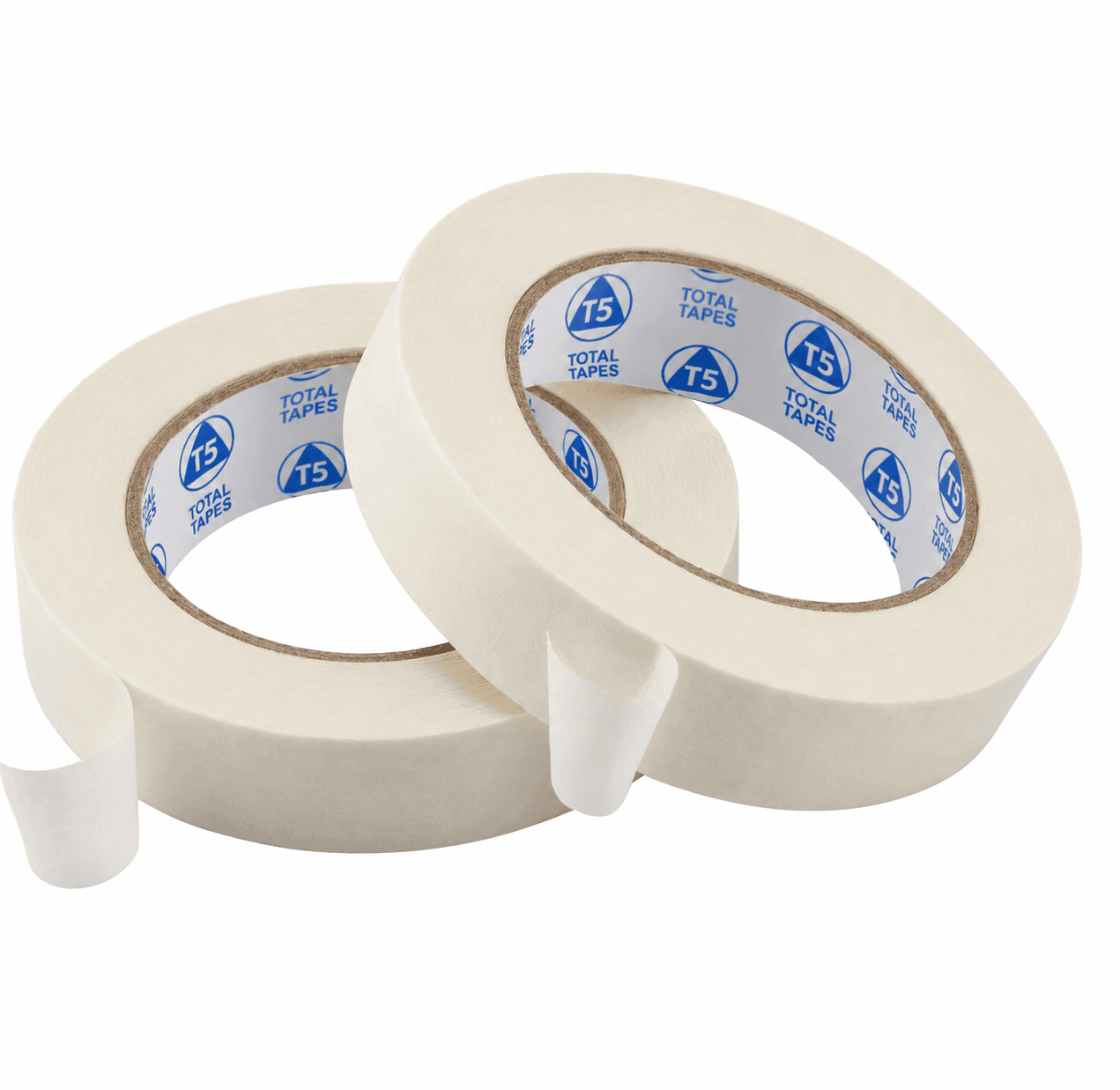
Natural rubber adhesive gives the highest immediate grip of the three and, crucially, it releases cleanly. That combination is why masking tape uses it: the tape has to hold a paint line for days and then come off a finished wall without lifting the surface or leaving residue.
It is not a long-term adhesive. Leave a natural rubber tape in place for months, or in direct heat, and the adhesive hardens and starts transferring. That is a design choice, not a defect — a masking tape that never let go would be a bad masking tape.
- Choose it for: masking, temporary holding, anything that must come off cleanly
- Avoid it for: permanent bonding, long outdoor exposure, high heat over time
- In our range: Masking Tape, in multipurpose, premium and high-temperature grades
And then there is acrylic solvent
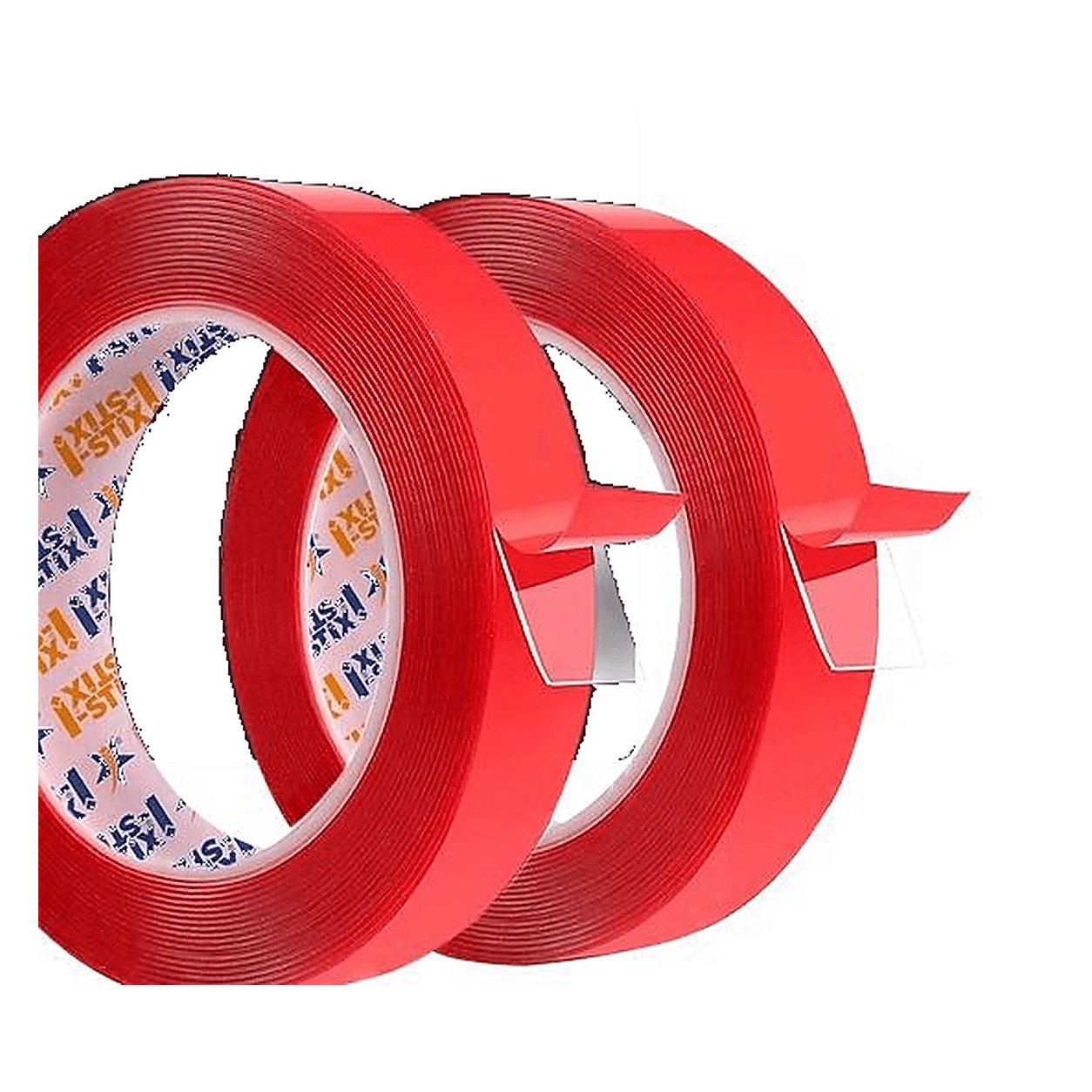
Worth separating from water-based acrylic, because it behaves very differently. Our VHB tape uses an acrylic solvent adhesive on an acrylic foam core, and it is rated from −30°C to +120°C. This is structural bonding — panels, signage, automotive trim — where the tape replaces rivets or screws rather than holding a box shut. It builds to full strength over 24 to 72 hours, so judging a VHB bond five minutes after application tells you very little.
The short version
| Initial tack | Ageing | Heat | Clean removal | |
|---|---|---|---|---|
| Water-based acrylic | Low | Excellent | Moderate | No |
| Hotmelt | High | Moderate | Poor under load | No |
| Natural rubber | Very high | Poor | Poor | Yes |
| Acrylic solvent | Moderate | Excellent | Excellent | No |
Not sure which applies to your line?
Tell us the surface, the temperature it lives at and how long the bond has to last. That is usually enough for us to name a grade — and if it is marginal, a sample roll settles it faster than a datasheet will.
Ask on WhatsApp →